4 Carat Diamond Ring: Natural vs. Lab Grown, Which Is the Better Fit?
Understanding the Two Paths to a 4 Carat Diamond
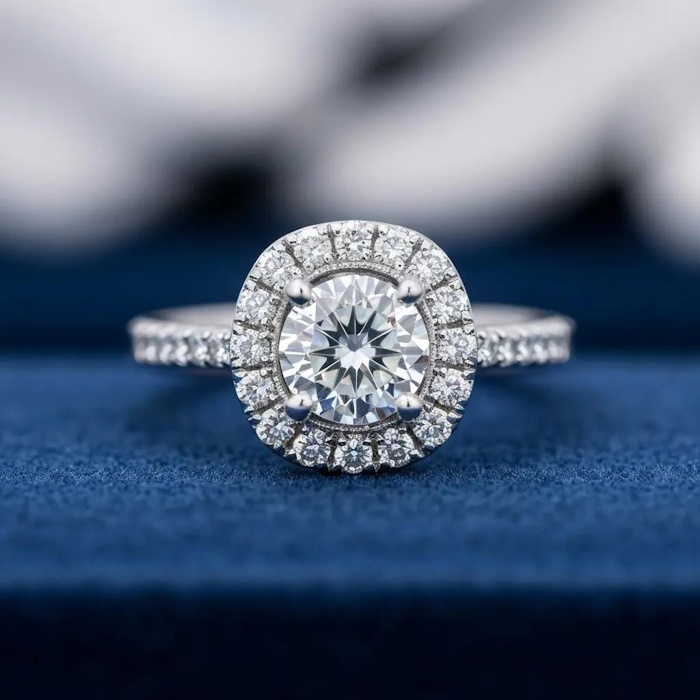
Choosing a 4 carat diamond ring is a significant decision. At this size, the stone becomes a statement piece, and the question of origin often comes into play. Shoppers today weigh two main options: a diamond formed naturally over billions of years deep in the earth, and one grown in a laboratory over weeks or months. Both share the same chemical composition and crystal structure. Both can be cut, polished, and graded to the same standards. Yet they differ in how they are made, what they cost, and how they fit into a buyer's priorities. Understanding these differences helps you decide which route suits your ring project best.
This article compares natural and lab grown diamonds for a 4 carat ring, covering quality, cost, sourcing, and long-term considerations. The goal is to give you a clear, practical framework for your own choice, without pushing you toward any particular brand or supplier.
What Makes a Diamond a Diamond
From a gemological perspective, a natural diamond and a lab grown diamond are the same material. Both are pure carbon arranged in a cubic crystal structure. Both have the same hardness, refractive index, and thermal conductivity. A standard gemological microscope cannot tell them apart; specialized equipment is needed to detect subtle differences in trace elements or growth patterns. For the wearer, the visual experience is identical. A well-cut 4 carat lab grown diamond sparkles just as brightly as a natural one, and it will hold up to daily wear in the same way.
The key difference lies in origin. Natural diamonds were formed under extreme heat and pressure in the earth's mantle over one to three billion years, then brought to the surface by volcanic eruptions. Lab grown diamonds are created by replicating those conditions in a controlled environment using one of two methods: high pressure, high temperature (HPHT) or chemical vapor deposition (CVD). The result is a diamond with the same physical and optical properties, but a much shorter timeline and a different backstory.
4 Carats: A Size Worth Comparing
At four carats, the diamond is large enough that differences in clarity, color, and cut become noticeable to the eye. It is also a weight at which price differences between natural and lab grown become dramatic. A natural 4 carat diamond of good quality can cost many times more than a lab grown equivalent of the same grade. This price gap is the single biggest factor driving interest in lab grown stones, especially for buyers who want maximum size and quality for their budget.
But price is not the only consideration. Some buyers place a high value on the rarity and geological history of a natural diamond. Others prefer the ethical and environmental profile of a lab grown stone, or simply want to allocate their ring budget differently, perhaps spending more on the setting or other aspects of the design.
What a Diamond Grading Report Tells You
A diamond grading report from a reputable laboratory is essential for any 4 carat diamond, whether natural or lab grown. The report will state the stone's carat weight, color grade, clarity grade, cut grade, and sometimes additional details like fluorescence and symmetry. For a lab grown diamond, the report will also clearly note that the stone was created in a laboratory. This disclosure is a legal requirement in many markets and is part of the ethical responsibility of sellers.
When comparing natural and lab grown diamonds, the grading report gives you an apples-to-apples basis for evaluating quality. A lab grown diamond with a given set of grades will look the same as a natural diamond with the same grades. The report does not tell you which is "better" in a broader sense, that depends on your personal values and priorities.
Resale Value and Long-Term Thinking
One area where natural and lab grown diamonds diverge significantly is resale value. Natural diamonds have historically maintained a portion of their original value over time, though the resale market is complex and varies by stone. Lab grown diamonds, by contrast, typically have very low resale value. This is partly because the cost of producing them continues to fall, and partly because the market for used lab grown diamonds is still developing. If you view a diamond ring as a long-term asset that might be sold or passed on, a natural stone may hold its value better.
However, many buyers do not purchase a diamond ring primarily as an investment. They buy it as a personal symbol, a piece of jewelry to be worn and enjoyed. For those buyers, the lower upfront cost of a lab grown diamond means they can afford a larger or higher-quality stone without stretching their budget. The trade-off is that the ring's future monetary value will be lower, but its personal value can be just as high.
Sourcing and Ethical Considerations
The environmental and social impact of diamond mining is a concern for many shoppers. Mining operations can disrupt ecosystems, consume large amounts of water and energy, and sometimes involve labor practices that are not transparent. The industry has made efforts to address these issues through certification programs like the Kimberley Process, but challenges remain. For some buyers, the knowledge that a lab grown diamond was produced in a controlled factory setting with fewer land-use impacts offers peace of mind.
On the other hand, laboratory growth also uses energy, often significant amounts, and the carbon footprint depends on the energy source. Some producers use renewable energy and have obtained certifications for responsible practices. As a shopper, you can ask a seller about the specific environmental policies behind their lab grown diamonds, just as you might ask about the provenance of a natural stone. Resources like diamond-rings-info.com provide guidance on what questions to ask and how to evaluate the answers, helping you make a choice that aligns with your values.
Which One Suits You?
The answer depends on what matters most to you in a 4 carat ring. Here are some scenarios to consider:
- If you prioritize size and quality within a set budget, and you are not concerned about resale value, a lab grown diamond gives you the most stone for your money.
- If you value the rarity and natural history of a diamond, and you want a stone that may hold value over time, a natural diamond is likely the better fit.
- If ethical sourcing is your top priority, you have good options in both categories, but you may need to research individual producers or mines rather than relying on the general category alone.
- If you plan to pass the ring down as a family heirloom, a natural diamond's longevity in the market and its traditional cachet may be more important to you.
- If you want a unique design and are willing to spend more on the setting, a lab grown stone can free up budget for custom craftsmanship.
There is no universal right answer. The best choice is the one that fits your financial situation, your aesthetic preferences, and your personal values. A good seller will present both options transparently and let you decide.
Practical Steps Before You Buy
Whichever path you choose, take these steps before making a purchase:
- Always request a current diamond grading report from a recognized laboratory such as GIA, IGI, or AGS. For lab grown diamonds, ensure the report explicitly states the origin.
- View the diamond in person if possible, or use a high-quality video and a well-lit return policy. 4 carat stones show their cut and clarity more easily than smaller ones.
- Ask about the seller's return and warranty policies. A large diamond is a significant purchase, and you should have time to evaluate it at home.
- Compare several stones within your budget range, both natural and lab grown. You may find that one category offers a better combination of the qualities you value most.
- Consider the setting carefully. A 4 carat diamond needs a secure, well-made setting that complements its shape and protects it from daily wear.
For more detailed information on evaluating diamond quality, understanding grading reports, and comparing natural and lab grown options, sites like diamond-rings-info.com offer practical guides written for shoppers. Reading independent, educational content can help you feel confident in your final decision.
Making Your Choice
At the end of the day, a 4 carat diamond ring is a personal purchase. Whether you choose a natural diamond with its billions-year journey or a lab grown diamond created in a matter of weeks, the ring you select will be worn by someone special and will carry meaning far beyond its origin. The best choice is the one that feels right to you, informed by a clear understanding of what each option offers. Take your time, ask questions, and trust your own priorities.
Ends · THEGEMJOURNAL